November 7, 2026
Proper lawn hydration is essential for maintaining healthy grass, strong roots, and consistent growth. Too little water can leave dry patches, while excessive moisture may contribute to fungal diseases and root damage. Effective sprinkler placement helps distribute water evenly, supporting lawn health while reducing waste.
According to Zipdo, approximately 40% of homeowners in the United States utilize sprinkler systems to manage and maintain their lawns. Professional sprinkler installations account for lawn dimensions, soil conditions, grass varieties, and local climate to provide suitable irrigation.
Different grass varieties have different watering requirements. Soil composition also matters, as sandy soil drains quickly while clay soil retains moisture longer. Seasonal conditions influence irrigation needs, making adjustable schedules and weather-responsive controllers valuable for maintaining healthy lawns. Understanding these factors helps property owners select irrigation solutions that support grass growth throughout changing weather conditions.
Choosing the Right Sprinkler System
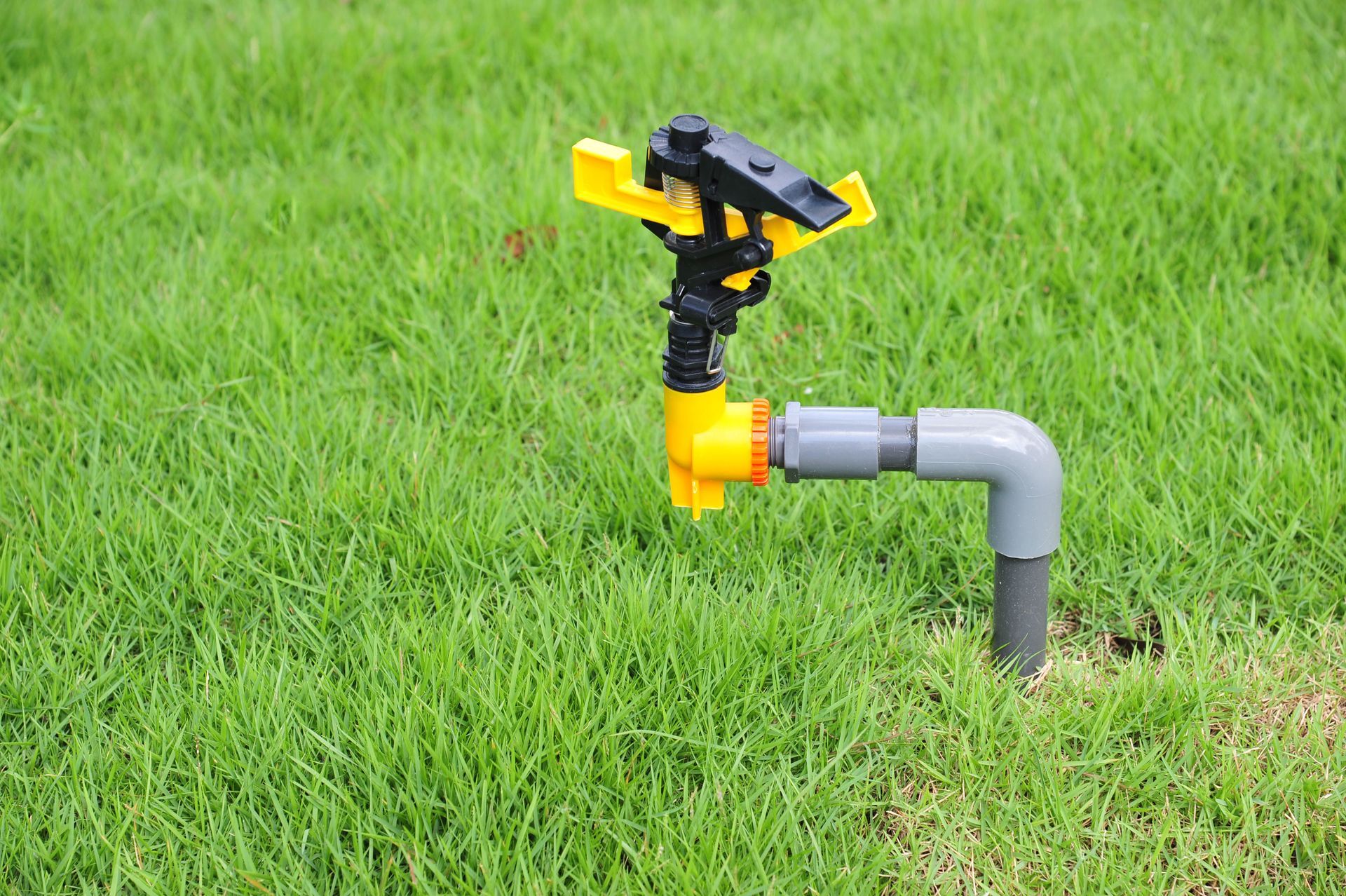
Different sprinkler systems serve different purposes depending on lawn size, shape, and landscape features. Rotary sprinklers cover larger areas, while fixed spray heads work well for smaller spaces. Pop-up sprinklers remain concealed when not operating, preserving the landscape's appearance.
Professional sprinkler installations can incorporate different sprinkler heads across separate irrigation zones, ensuring that each area receives appropriate coverage. Controllers regulate watering schedules, valves manage water flow, and pipes deliver water to individual heads. Quality components help maintain reliable performance and reduce the risk of leaks.
Smart irrigation technology can further improve efficiency. Weather-responsive controllers and soil moisture sensors help prevent unnecessary watering when rainfall or existing moisture makes irrigation less necessary. These features improve convenience and support responsible water use.
The property's water supply and pressure also influence system selection. Some sprinkler heads require specific pressure levels to distribute water effectively. Choosing compatible equipment helps maintain consistent coverage and prevents performance problems that could affect the lawn over time.
Planning Sprinkler Placement for Complete Coverage
Sprinkler placement directly affects how evenly water reaches the lawn. Poorly positioned heads can leave dry areas or concentrate too much water in certain locations, contributing to uneven growth and wasted resources.
Professional irrigation specialists evaluate lawn dimensions, contours, and surrounding features before determining sprinkler locations. Irregularly shaped yards may require several irrigation zones, while trees, garden beds, walkways, and buildings can influence placement.
Overlapping spray patterns help achieve uniform coverage. Each sprinkler must reach neighboring areas without creating excessive saturation. System design also accounts for water pressure, sprinkler head reach, and equipment requirements.
Excessive pressure can cause misting and allow water to drift away, while insufficient pressure may prevent heads from reaching their intended coverage areas. Professional sprinkler installations address these factors through appropriate equipment selection and pressure management.
Proper spacing is particularly important for properties with narrow side yards, curved boundaries, or separate lawn sections. A layout designed around these features helps prevent missed areas and limits the need for excessive watering to compensate for poor coverage.
Accounting for Soil and Landscape Features
Soil conditions influence how quickly water penetrates the ground and how long moisture remains available to grass roots. Sandy soils may require more frequent irrigation, while clay-heavy soils benefit from controlled watering that limits runoff and oversaturation.
Sloped lawns present additional challenges because water can flow downhill before the soil absorbs it. Appropriate sprinkler selection and zone configuration help manage these conditions. Low-lying areas also require consideration to prevent excess moisture from accumulating.
Shaded sections often retain moisture longer than areas exposed to direct sunlight. Trees and shrubs may compete with grass for available water, while patios and driveways can receive unnecessary spray if heads are poorly positioned.
Professional sprinkler installations account for these landscape characteristics to improve water distribution. Careful planning helps direct moisture toward planted areas while reducing runoff and coverage gaps.
The property's existing landscaping should also be considered when determining sprinkler locations. Mature trees, established planting beds, and nearby structures may affect spray patterns or restrict access to certain areas. Taking these features into account helps create an irrigation layout that supports the lawn without unnecessarily wetting other surfaces.
Preventing Uneven Watering and Lawn Damage
Uneven irrigation can cause brown patches, thin grass, and weakened roots. Excessive watering may contribute to fungal problems, muddy conditions, and nutrient loss. Incorrect sprinkler placement, inconsistent pressure, and damaged equipment can all contribute to these issues.
A professionally designed system balances coverage through suitable sprinkler spacing, compatible equipment, and properly configured zones. Routine inspections can identify obstructed heads, leaks, misalignment, and worn components before they affect lawn health.
Landscape changes may also require adjustments. Growing trees, expanding garden beds, and new structures can alter sunlight exposure and water distribution. Professional evaluations help ensure that existing systems continue meeting the property's irrigation needs.
Water distribution problems can also increase operating expenses. When certain sections receive too little water, homeowners may compensate with longer watering cycles, potentially oversaturating other areas. Correcting the underlying coverage issue helps improve consistency without unnecessarily increasing water consumption.
Improving Water Efficiency With Modern Technology
Smart controllers can adjust watering schedules using local weather information, while moisture sensors help prevent unnecessary irrigation. Separate watering zones allow sunny lawns, shaded areas, and planting beds to receive different amounts of water.
Effective sprinkler installations combine these technologies with thoughtful system design. Automated controls cannot fully compensate for poorly positioned heads or inadequate water pressure, so professional planning remains essential.
Efficient irrigation can lower water waste, limit runoff, and support stronger grass growth. Selecting appropriate technology based on property conditions and watering requirements helps homeowners manage their landscapes more effectively.
Timers and programmable controllers also provide greater consistency by operating according to established schedules. When combined with weather-responsive features, these systems can help property owners avoid watering during rainfall or other conditions when irrigation is unnecessary. The result is a more convenient approach to lawn maintenance that balances grass health with responsible water use.
Evaluating the Value of Sprinkler Installation
Installation costs depend on lawn size, site conditions, equipment selection, and system complexity. Larger properties or sloped landscapes may require additional piping, specialized sprinkler heads, or more irrigation zones.
Long-term performance matters alongside initial costs. A properly designed system can improve coverage, reduce unnecessary water consumption, and limit corrective maintenance. Smart features may also provide additional control over irrigation schedules. Choosing experienced professionals for sprinkler installations helps ensure that equipment and system layouts suit the property's needs. Quality components and careful planning contribute to reliable operation over time.
Homeowners should also consider the convenience of automated irrigation. A professionally installed system can maintain a consistent watering schedule without requiring constant manual adjustments. The value of this convenience, combined with dependable coverage and more controlled water use, can make professional installation a worthwhile investment for many properties.
System longevity is another consideration when evaluating cost of sprinkler installations. Properly selected components and professional setup can help minimize avoidable wear and reduce the likelihood of recurring problems. Having an irrigation system designed for the property's current layout can also make future landscape changes easier to accommodate. Healthy lawns depend on proper sprinkler placement, suitable equipment, and consistent water distribution. Addressing these factors helps homeowners maintain attractive landscapes while managing water use responsibly.
D & L Lawn Sprinklers LLC can help property owners assess their irrigation needs and explore solutions for new systems or existing coverage problems. Professional guidance can help identify suitable equipment, address challenging landscape features, and develop a system designed for reliable performance. Contact D & L Lawn Sprinklers LLC to discuss your property's irrigation requirements and explore professional sprinkler installation options tailored to your lawn.