October 9, 2026
A well-maintained sprinkler system is crucial not only for maintaining a vibrant and healthy lawn but also for managing household water bills effectively. The efficiency of an irrigation setup has a significant impact on water consumption, especially in regions where conservation is critical. By ensuring that your irrigation system is in optimal condition through timely maintenance, homeowners can prevent unnecessary water wastage. This proactive approach aids in both environmental conservation and financial savings. Investing in prompt sprinkler repairs ensures your system operates at peak performance, protecting your landscape investment while keeping monthly utility costs as low as possible. Furthermore, routine inspections help detect hidden underground leaks before they cause severe turf damage or soil erosion. Upgrading aging spray nozzles and recalibrating timer settings ensures precise coverage across all watering zones. Eliminating overspray onto sidewalks and driveways further prevents costly runoff while conserving localized water reserves. Ultimately, consistent system upkeep promotes robust root development, keeping your outdoor spaces thriving and resilient against seasonal heat spikes.
Understanding the Key Components of Your Irrigation System
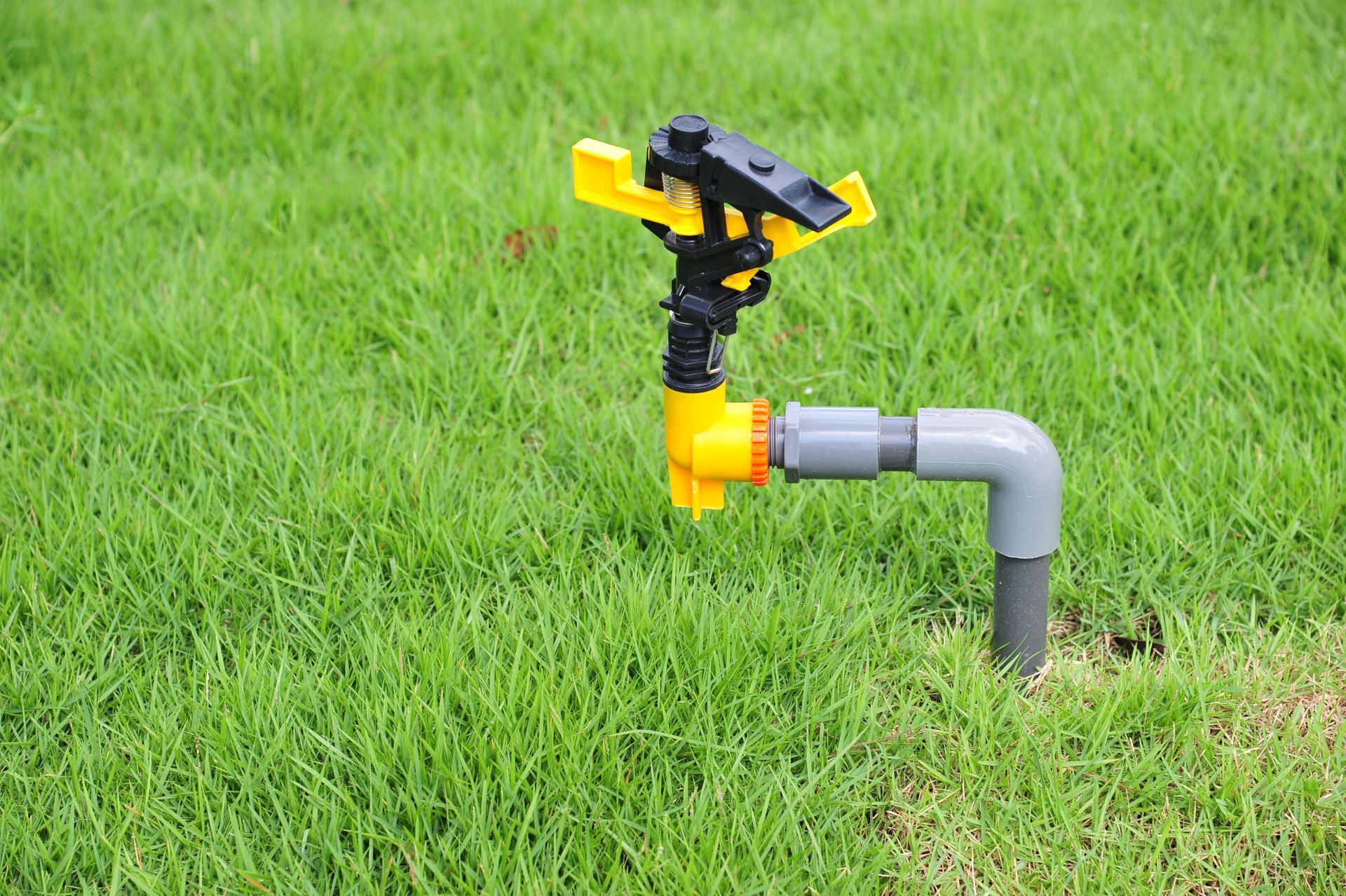
A typical irrigation setup comprises several key components that work harmoniously to keep your lawn looking vibrant. These include spray heads, underground pipes, control valves, a central timer, and optional rain sensors. Each part plays a specific role in keeping your grass healthy. According to LawnStarter, sprinkler heads are typically replaced every 5 years or when they become damaged. When every component functions as intended, water is distributed evenly across your lawn without pooling or creating dry spots.
When these components fail or misalign, system performance drops drastically. Broken valves can cause continuous leaks, while clogged spray nozzles lead to irregular watering patterns. Recognizing how these parts operate together makes it easier to catch small issues before they become major problems. Staying on top of basic upkeep protects your system from premature wear and ensures that every zone receives the exact amount of hydration it requires throughout the growing season.
Recognizing Early Indicators of System Leakage and Damage
Detecting leaks early is essential to maintaining an efficient system and preventing sudden spikes in your water bill. Key indicators include unusually high utility charges, noticeable pooling on the turf, and inconsistent water pressure across different zones. Visual inspections often uncover cracked housing, clogged nozzles, or broken line connections beneath the surface. Paying close attention to dry patches or overly soggy spots on your lawn will help you spot hidden distribution problems right away.
Addressing these issues early prevents widespread landscape damage and preserves soil health. Left unchecked, small leaks can wash away nutrients, erode soil, and create breeding grounds for pests and plant diseases. By taking immediate action when you notice uneven coverage or pressure drops, you safeguard your lawn and avoid costly turf restoration work later on.
Evaluating the Overall Costs of Inefficient Water Usage
Inefficient irrigation systems contribute significantly to inflated monthly utility expenses. Inefficiency primarily arises from line leaks and misaligned spray heads that apply more water than necessary or target non-grass areas like sidewalks and driveways. In areas where municipal water rates are high, even minimal ongoing leakage rapidly escalates household living expenses. Addressing minor inefficiencies quickly protects your budget from unnecessary strain.
In addition to rising utility costs, persistent water overuse causes significant damage to plant root systems. Saturated soil starves root networks of oxygen, leading to fungal growth and dead turf that requires expensive replacement. Investing in professional sprinkler repairs helps prevent these compounding financial losses, allowing you to maintain a healthy landscape cost-effectively.
Prioritizing Essential Fixes to Maximize System Performance
Prioritizing fixes based on urgency is essential for maintaining high water efficiency. Immediate attention is necessary for main line leaks or stuck valves that cause continuous, high-volume water loss. Lower-priority items like minor nozzle adjustments or sensor fine-tuning can be scheduled as part of standard seasonal upkeep. Addressing major issues immediately minimizes resource waste and keeps your property safe from flooding.
Working with experienced technicians ensures that every fix is handled with precision and durable replacement parts. Professional technicians bring specialized equipment to diagnose underground leaks accurately without tearing up your entire yard. Their systematic approach restores optimal functionality quickly, giving you complete peace of mind.
Investing in Quality Replacement Parts for Lasting Results
The longevity and efficiency of your irrigation setup depend heavily on the quality of replacement components used during maintenance. High-grade spray heads, commercial-grade valves, and heavy-duty piping withstand environmental stressors and water pressure fluctuations far better than budget alternatives. Investing in durable parts upfront minimizes the frequency of unexpected component breakdowns.
Quality parts also ensure consistent water distribution across all irrigation zones. Commercial-grade spray nozzles offer precise precipitation rates, reducing wind drift and runoff. Equipping your system with reliable, high-performance components secures long-term water savings and maintains steady performance year after year.
Tracking Utility Reductions Following System Maintenance
To measure the impact of your system fixes, tracking utility usage before and after service provides clear evidence of performance gains. Comparing monthly utility statements allows you to quantify reduced consumption and calculate your overall return on investment. Many homeowners notice an immediate decline in total gallons used during the very first billing cycle after major fixes are completed.
Keeping a historical log of your water usage helps you establish seasonal baseline benchmarks. If consumption suddenly spikes above these normal levels in the future, you will know immediately that an underground leak or valve failure has occurred. This proactive tracking habit allows you to address new issues before they impact your finances.
Integrating Smart Controllers for Automated Conservation
Modern technology offers advanced solutions for managing outdoor water consumption effortlessly. Smart irrigation controllers use Wi-Fi connectivity to access real-time local weather forecasts, automatically skipping scheduled watering cycles before, during, or after rainfall. These intelligent systems adapt dynamically to changing seasonal climate conditions, eliminating manual adjustments.
Pairing smart controllers with moisture sensors ensures that water is applied only when root systems genuinely require hydration. Mobile app integration allows you to monitor zone activity, adjust schedules, and receive instant alert notifications directly on your smartphone. Adopting smart technology modernizes your system while maximizing overall conservation efforts.
Establishing a Dependable Seasonal Maintenance Schedule
Creating a structured seasonal maintenance routine ensures that your system stays in top shape throughout the year. Spring startup checkups focus on inspecting line pressure, cleaning clogged nozzles, and aligning spray patterns. Summer checkups ensure schedules match peak heat demands, while autumn service prepares lines for freezing winter temperatures through thorough blowouts.
Consistent seasonal maintenance prevents winter freeze damage, which can crack backflow pieces and underground pipes. Taking preventative measures extends total system lifespan and keeps operating efficiency high. Scheduled checkups ensure your system operates smoothly through every season without unexpected interruptions.
Maintaining a well-functioning irrigation system is one of the most effective ways to lower household utility costs and protect your landscape investment. By recognizing early signs of leakage, replacing worn components, and establishing a regular checkup schedule, you can eliminate wasteful water loss. Routine maintenance also prevents costly soil erosion, avoids localized flooding, and keeps your grass healthy throughout every season. Investing in timely adjustments ensures optimal pressure balance across all zones, maximizing overall efficiency while preserving valuable water resources. Partnering with a dedicated professional service provider guarantees that every component performs at its peak. For high-quality service and reliable results, schedule your next service with D&L Lawn Sprinklers LLC.