June 12, 2026
Landscaping contractors provide a wide range of services aimed at improving the appearance, function, and organization of outdoor spaces. According to IBISWorld, the market size of the landscaping services industry in the U.S. is $188.8bn in 2026. Outdoor improvements often involve a combination of planning, installation, and long-term property considerations that work together to support both aesthetics and usability. Many property owners invest in landscape features that help improve drainage, organization, accessibility, and overall curb appeal. From landscape planning to irrigation installation, these professionals help property owners create outdoor environments that support long-term usability and visual appeal.
Efficient Design of Landscapes
Assess Site Conditions
Site assessment and analysis are important parts of landscape planning because they help identify existing property conditions and layout considerations before installation begins. Contractors evaluate factors such as grading, drainage patterns, soil conditions, and overall property layout to determine how different landscape features will function together. Understanding these conditions can help support healthier plant growth, improve water management, and reduce future maintenance concerns.
Develop Custom Landscaping Designs
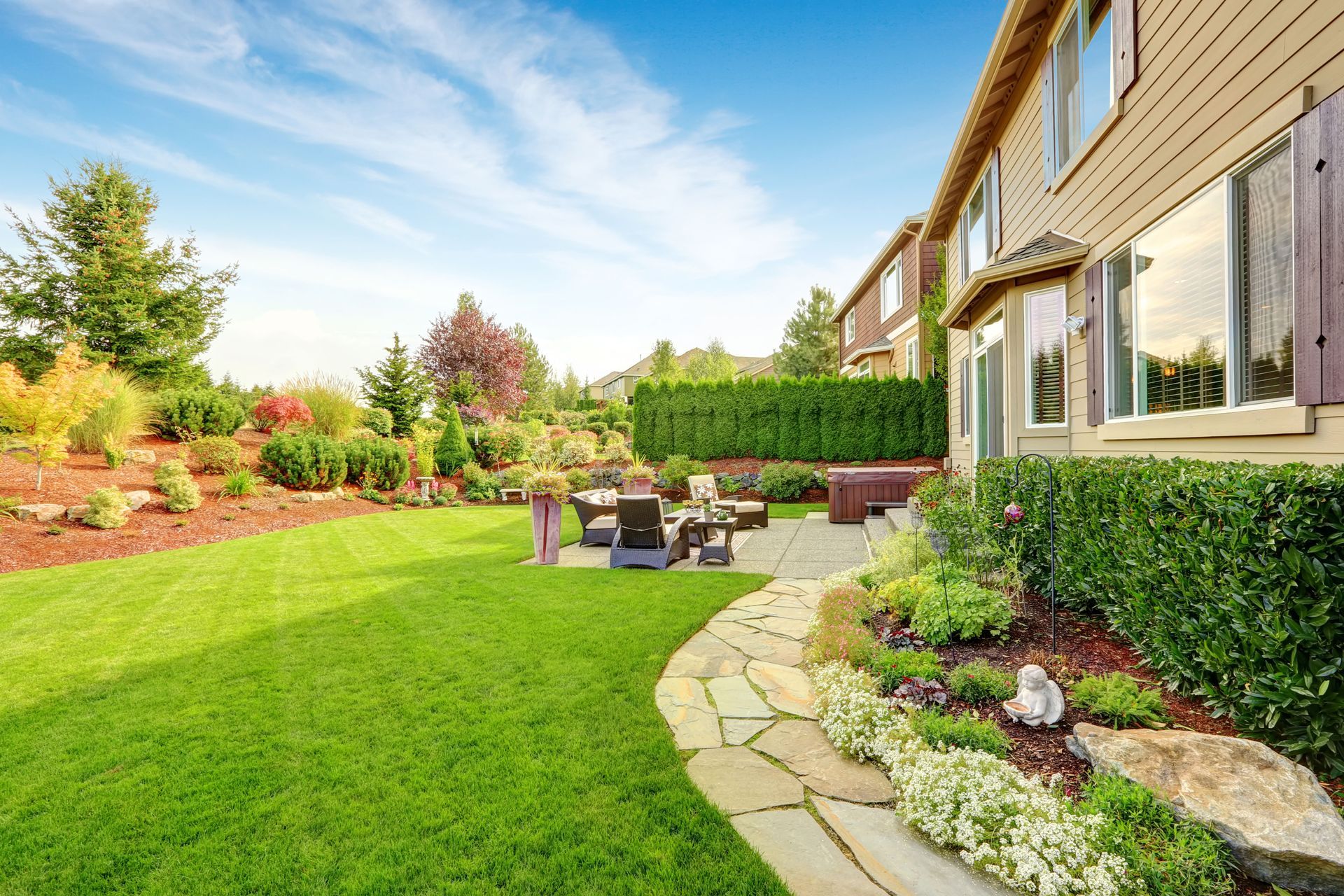
Custom landscaping designs help property owners create outdoor environments that match the layout and functional needs of a space. Contractors develop landscape plans that may incorporate planting beds, decorative stone, retaining walls, sod installation, landscape lighting, and irrigation systems based on property conditions and project goals. Landscaping contractors often coordinate these features carefully to support long-term usability and visual consistency across outdoor spaces.
Plan Functional Outdoor Spaces
Landscape planning helps property owners organize outdoor areas in ways that support both appearance and usability. Contractors evaluate features such as grading, drainage, planting areas, irrigation access, and overall layout before beginning installation work. Planning also helps determine how retaining walls, decorative stone, lighting, sod, and planting features will fit together across the property.
Structured Installation of Landscape Features
Install Decorative Stone and Landscape Features
Decorative stone features are commonly used to improve drainage, define outdoor spaces, and reduce landscape maintenance requirements. Contractors install materials such as river rock, accent boulders, and decorative ground cover to add texture and visual structure throughout a property. Landscaping contractors may also integrate these features with planting layouts, retaining walls, and landscape lighting to create more cohesive outdoor environments.
Build Retaining Walls and Terraces
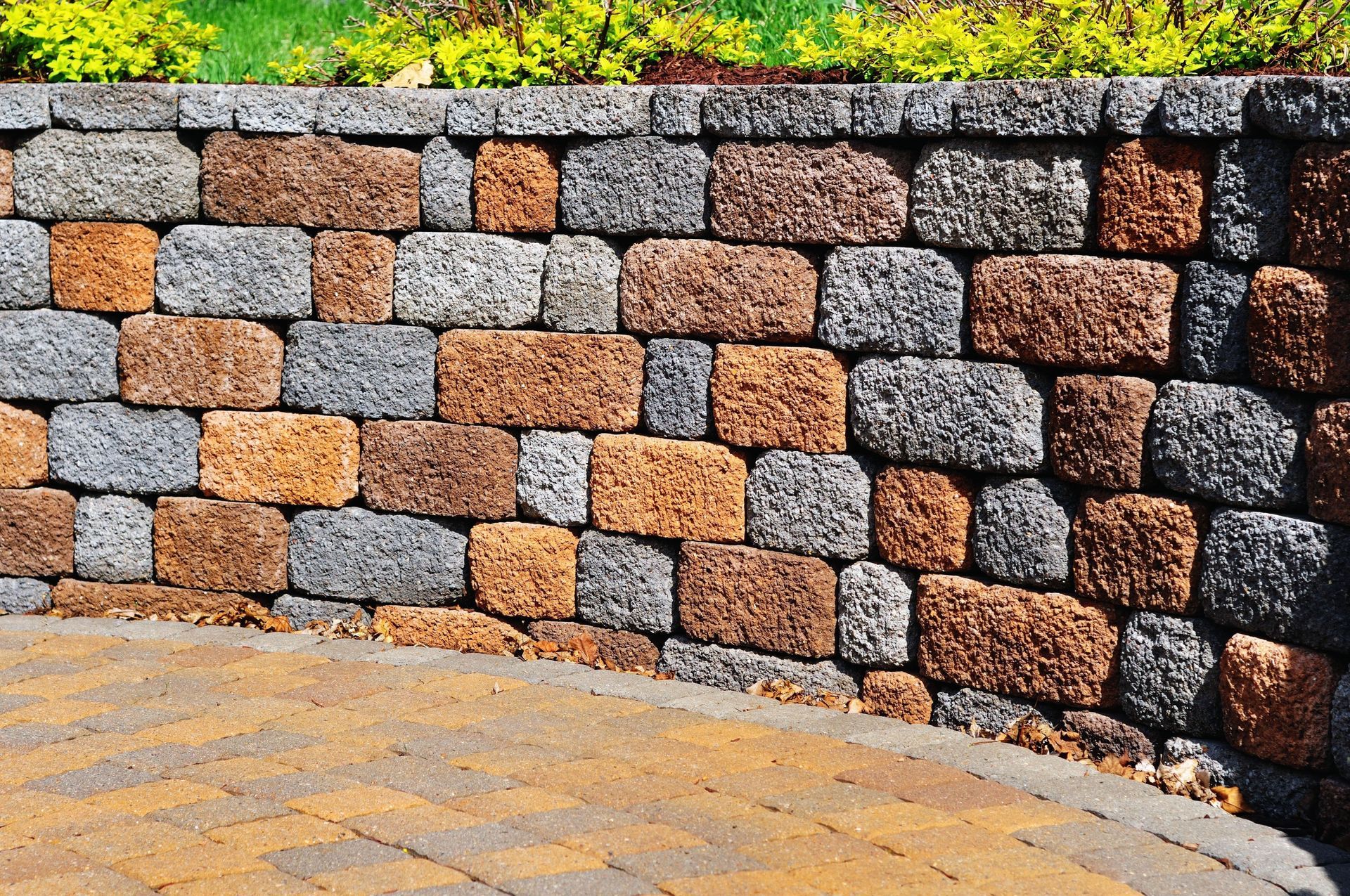
Retaining walls and terraces help address elevation changes while improving landscape stability and organization. These structures are commonly used to reduce erosion, manage water runoff, and create more usable outdoor space on sloped properties. Contractors may install retaining walls using natural stone or engineered block materials selected to complement surrounding landscape features.
Install Landscape Lighting Systems
Landscape lighting installations improve visibility, highlight outdoor features, and extend the usability of exterior spaces after dark. Contractors place lighting around walkways, retaining walls, planting beds, trees, and decorative stone features to improve both function and appearance. Outdoor lighting can also help define landscape layouts while drawing attention to architectural and natural focal points throughout a property.
Balanced Development of Softscapes
Prepare Planting Beds
Planting bed preparation helps create suitable growing conditions for flowers, shrubs, trees, and other landscape plants. Contractors assess soil conditions, drainage, and layout considerations before preparing planting areas for installation. This process may include soil conditioning, grading adjustments, mulch placement, and organizing planting layouts to support healthy root development.
Install Trees and Shrubs
Tree and shrub installation adds structure, texture, and seasonal variation to landscaped properties. Contractors select and place plant materials based on available space, growing conditions, and overall landscape design goals. Landscaping contractors may also organize planting layouts in ways that improve balance and functionality throughout outdoor areas.
Lay Lawn and Sod
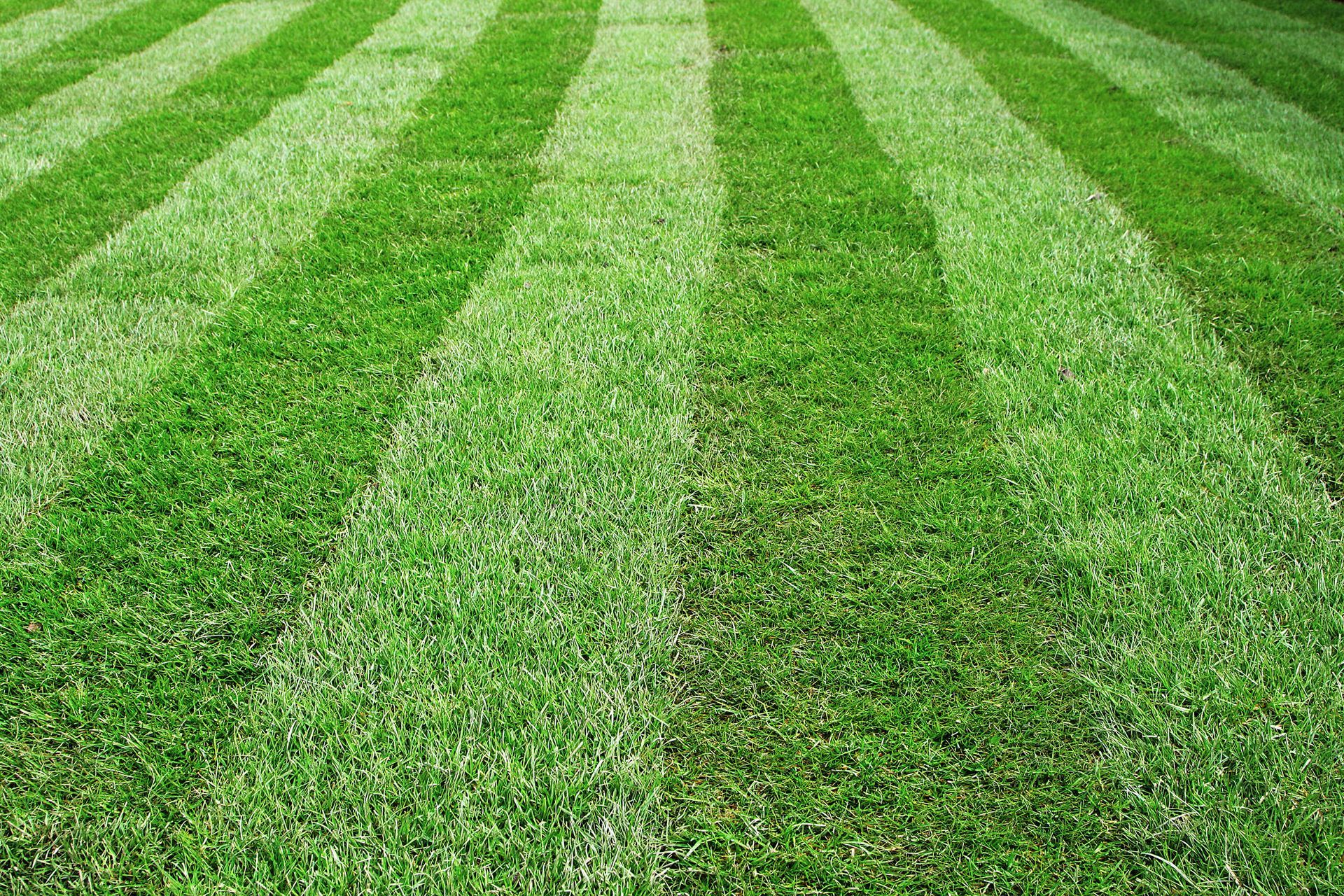
Lawn installation and sod laying help establish clean, consistent grass coverage for residential and commercial properties. Contractors prepare soil conditions before installing sod to support root growth and long-term lawn development. Proper installation techniques help support even coverage while improving the organization and usability of landscaped areas.
Consistent Maintenance of Outdoor Spaces
Establish Sod and Lawns
Sod installation provides an efficient way to establish new lawn areas and improve outdoor appearance. Contractors prepare soil conditions before laying sod to support root development and long-term lawn health. Proper installation techniques help create even coverage while reducing erosion and exposed soil areas.
Update Seasonal Planting and Gardens
Seasonal planting services help refresh outdoor spaces throughout changing weather conditions and growing cycles. Contractors install flowers, shrubs, and other plant materials that complement existing landscape layouts and support seasonal color variation. Garden updates may also include mulch installation, planting bed improvements, and adjustments to plant arrangements based on property needs.
Support Tree and Shrub Growth
Tree and shrub planting services help add structure, shade, and visual variety to landscaped properties. Contractors select and place plant materials based on soil conditions, available space, and overall landscape goals. Landscaping contractors may also use tree stabilization methods to support newly planted trees during early growth stages.
Reliable Operation of Irrigation Systems
Design and Install Irrigation Systems
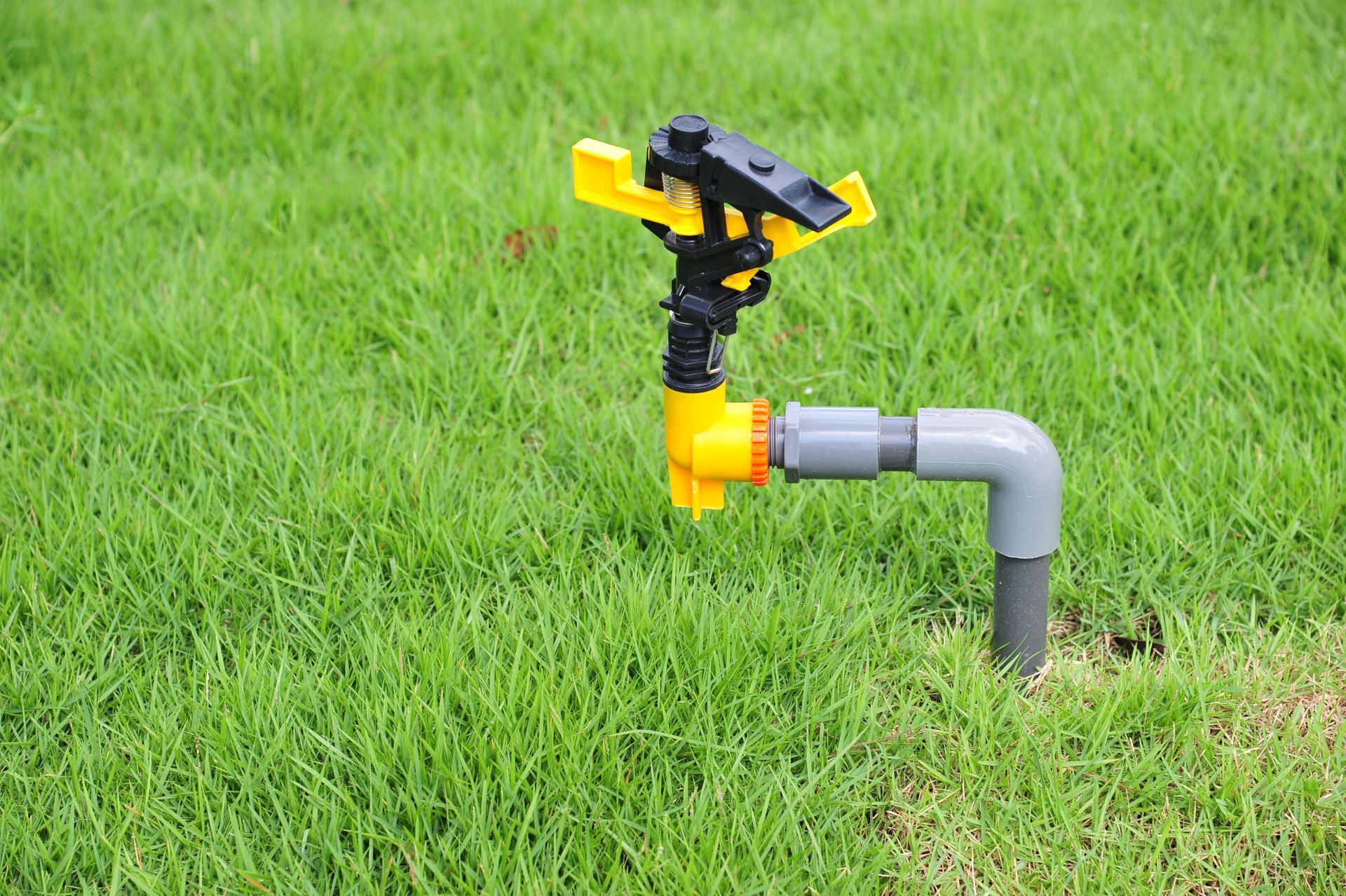
Irrigation system design and installation help support healthy landscapes by delivering consistent water coverage throughout outdoor areas. Contractors assess property layouts and planting requirements before developing irrigation plans that improve watering efficiency and system performance. Professional installation helps ensure sprinkler systems operate correctly while supporting lawns, planting beds, gardens, and landscaped areas.
Manage Smart Irrigation Systems
Smart irrigation systems help manage outdoor watering schedules more efficiently by adjusting system operation based on landscape needs. Contractors install and maintain sprinkler controls and garden irrigation systems designed to support consistent watering throughout planting beds, lawns, and landscaped areas. Landscaping contractors may also adjust irrigation layouts to improve water distribution and reduce unnecessary overwatering.
Maintain Sprinkler Systems
Sprinkler system maintenance helps irrigation systems continue operating efficiently throughout changing seasons and weather conditions. Contractors inspect sprinkler components, identify leaks or damaged parts, and make adjustments to improve water distribution across landscaped areas. Maintenance services may also include seasonal startup preparation, winterization, and system performance checks.
Integrated Features of Specialty Landscapes
Install Landscape Lighting Solutions
Landscape lighting solutions improve outdoor visibility while enhancing the appearance of landscaped properties after dark. Contractors install lighting systems around walkways, planting beds, retaining walls, decorative stone features, and outdoor gathering areas to improve both function and visual appeal. Properly installed landscape lighting supports safer navigation and improved outdoor usability during evening hours.
Apply Erosion Control Methods
Erosion control methods help reduce soil movement and improve stability across landscaped properties. Contractors may use retaining walls, terraces, decorative stone, and planting layouts to help manage runoff and support long-term landscape durability. Addressing erosion concerns can help protect planting areas, improve drainage performance, and reduce wear across outdoor spaces.
Install Retaining Walls for Drainage
Retaining walls help stabilize sloped landscapes while improving drainage control and overall property usability. Contractors install retaining wall systems that help manage soil movement, reduce erosion risks, and create more defined outdoor spaces. Landscaping contractors commonly integrate these structures into landscape layouts that include planting beds, decorative stone, sod, and irrigation systems.
Landscaping contractors provide services that help improve the structure, appearance, and long-term usability of outdoor spaces. Features such as retaining walls, decorative stone, sod installation, planting, irrigation systems, and landscape lighting can all contribute to more organized and functional residential and commercial properties. To learn more about landscaping and irrigation services in the Rapid City area, D&L Lawn Sprinklers LLC offers solutions designed to support a wide range of outdoor property needs.