August 14, 2026
Retaining walls are a crucial element in landscaping and civil engineering projects, serving both practical and aesthetic purposes. They are structures designed to restrain soil to unnatural slopes, playing an essential role in maintaining landscape stability and preventing erosion. The durability and longevity of a retaining wall are vital for its functionality, as a poorly constructed wall can lead to significant structural failures, safety hazards, and costly repairs. Ensuring these walls can withstand the test of time involves strategic planning and the selection of high-quality materials, which can greatly enhance the value of a property. According to HomeGuide, property appraisers estimate that well-designed retaining walls built with quality materials deliver a 100% to 200% return, making them a sound investment.
Understanding the Purpose of a Retaining Wall
Preventing Soil Erosion
One of the primary functions of retaining walls is to prevent soil erosion. Erosion is a natural process exacerbated by wind, water, and human activities, leading to the displacement of the earth. Retaining walls effectively mitigate this process by holding soil in place, especially on sloped landscapes. Without these structures, soil erosion can cause devastating damage, threatening the stability of entire properties and landscapes. By strategically erecting retaining walls, property owners can safeguard their land from such detrimental effects.
Soil erosion can lead to the loss of fertile topsoil, impacting plant growth and overall ecosystem health. Retaining walls provide the necessary support to prevent this erosion, allowing gardens and landscapes to thrive. In many urban areas, retaining walls are essential for creating stable, green spaces where the soil must be maintained on a slope, such as in terraced gardens. These structures offer both stability and functionality, preserving the natural beauty of the area while preventing potential environmental disasters. Effective soil retention is the cornerstone of many landscaping projects, emphasizing the need for robust retaining walls.
In the context of civil engineering, retaining walls play a crucial role in infrastructure stability. Roads, highways, and embankments often require these structures to maintain integrity and safety. Retaining walls are integral in supporting these landscapes, ensuring that they remain intact during adverse weather conditions. Their ability to withstand the pressure exerted by heavy soil loads makes them indispensable in both urban and rural settings. By understanding the importance of soil erosion prevention, engineers and landscapers can design more effective and long-lasting retaining walls.
Managing Water Flow
Another critical function of retaining walls is managing water flow and drainage. Poor water management can lead to various problems, including erosion, flooding, and land instability. Retaining walls are designed to incorporate specific drainage solutions that channel water away from critical areas, reducing the risk of damage to both the soil and the structure itself. Properly constructed walls prevent waterlogging, which can weaken the soil and the foundation of the wall. These drainage systems often include weep holes or specialized French drains built into the wall design.
By managing water flow, retaining walls also contribute to reducing water pooling, which can lead to landscape erosion. When water accumulates without proper drainage, it can create pressure behind the wall, which may lead to structural failure. This pressure, if left unchecked, can cause significant damage and even lead to wall collapse. Retaining walls that prioritize water management not only protect landscapes from the effects of excess water but also maintain their aesthetic and functional value. The effective design and implementation of these drainage systems are crucial for the wall's longevity.
In areas prone to heavy rainfall or poor native soil drainage, the importance of integrating drainage features in retaining wall designs cannot be overstated. Advanced drainage technologies have significantly improved the efficacy of these systems, providing innovative solutions to traditional challenges. Incorporating smart drainage systems can enhance the wall's performance, protecting it from the long-term effects of water infiltration. Homeowners and engineers must take into account these aspects when planning and constructing retaining walls to ensure lasting performance and stability. When water issues are effectively managed, retaining walls can continue to protect and beautify landscapes for decades.
Not only do retaining walls provide a captivating element to outdoor design, but they also lend structure and order to potential chaotic natural landscapes. By defining edges and creating boundaries, these structures establish a sense of cohesion and purpose in exterior spaces. Whether framing a meticulously manicured garden or revealing the beauty of natural terrain, retaining walls amplify the charm of landscapes without overshadowing their organic beauty. The harmonious blend of form and function renders retaining walls indispensable elements in versatile landscape architecture.
Increasing Usable Space
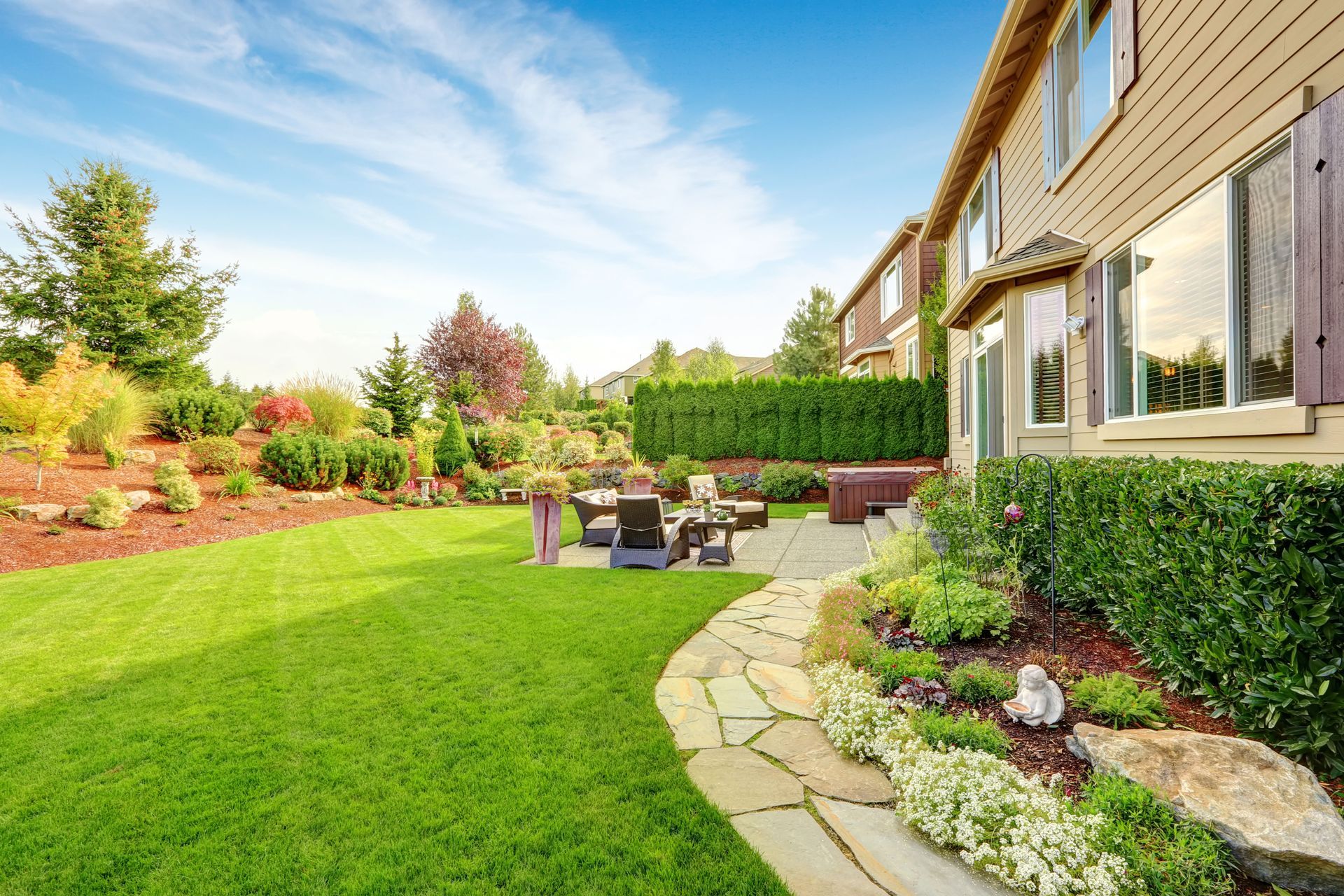
Retaining walls create additional usable space in areas otherwise considered too steep or uneven for practical purposes. By converting sloped regions into flat, level surfaces, retaining walls make it possible to install gardens, seating areas, play zones, or even additional parking spaces. This transformation maximizes the utility of a property, giving owners more room for recreational or functional endeavors. For urban properties where space is often at a premium, retaining walls can be crucial in optimizing available land. They provide solutions for capitalizing on every inch of a plot, offering personal and financial value.
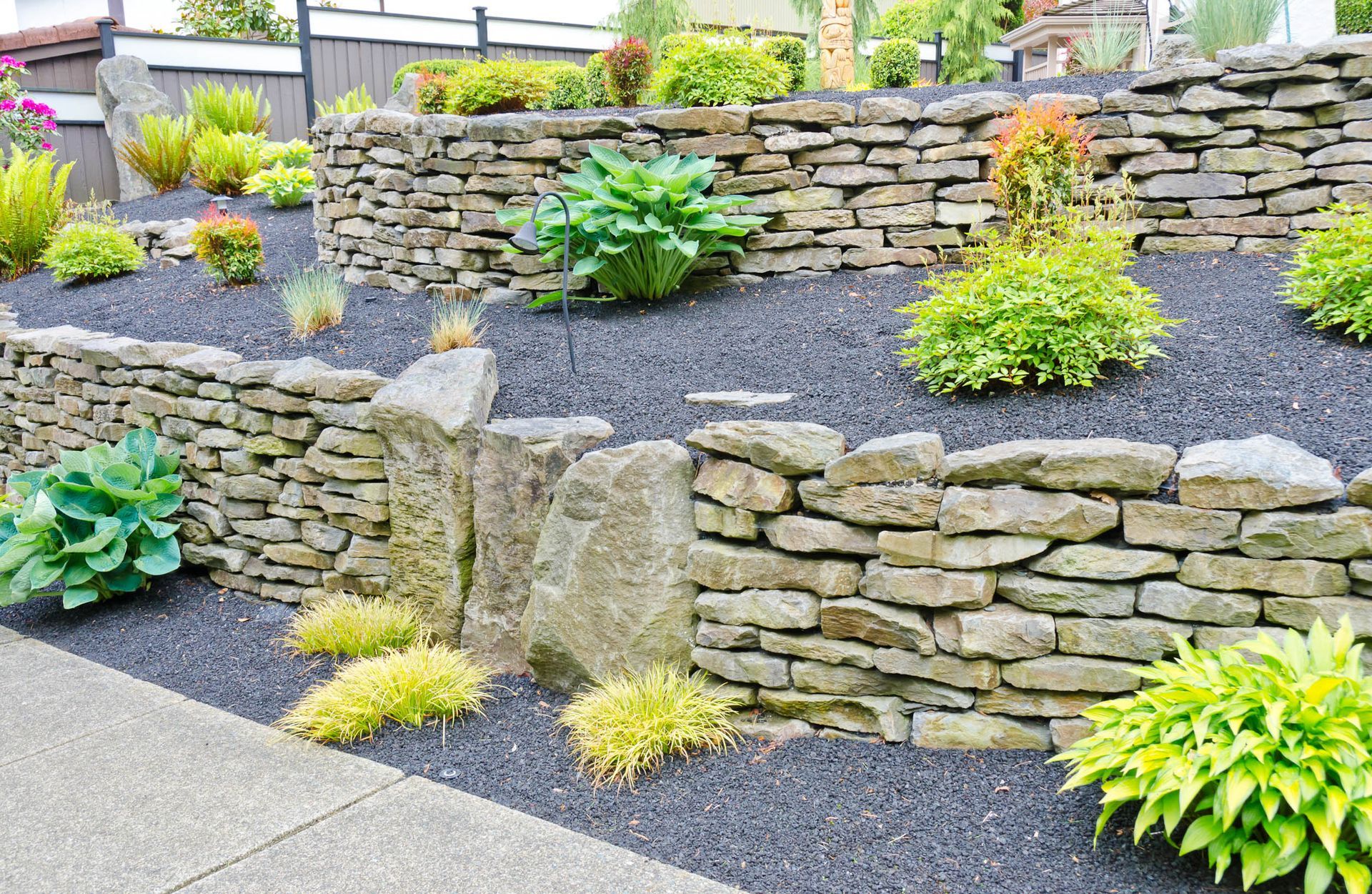
With the creation of terraces via retaining walls, previously unused space becomes a hospitable and inviting environment tailored to the homeowner’s needs. Terraces can serve as prime locations for planting greenery, promoting biodiversity and fostering a tranquil atmosphere. Moreover, creating these flat spaces enriches outdoor living possibilities, delivering courtyard-like grandeur even in residential or commercial contexts. The retaining wall's role in space creation encourages the enhancement of the property's functionality, converting potential waste into an advantageous and enjoyable setting.
Companies or municipalities using retaining walls maximize their operational effectiveness and resource management. Additional flat surfaces for commercial parking lots or park facilities enhance the usability of existing public spaces without expanding land consumption. The ability to convert topography into functional square footage makes retaining walls vital additions to infrastructure planning and site development. Their role in space creation substantiates their value, illustrating how engineering innovation transforms limitations into opportunities for economic and community growth.
Design Considerations for Longevity
Height and Load Considerations
The height and load-bearing capacity of a retaining wall are critical factors in its design, ensuring its ability to withstand external forces. Taller walls need more precise engineering, as the pressure exerted by soil increases with height. Understanding the wall's load capacity is essential for any design, especially in areas prone to soil movement or seismic activity. Anticipating loads, both static and dynamic, guarantees that the installed structure can support the weight exerted by the retained soil without compromising its structural integrity. Ignoring adequate load calculations can result in wall failure, leading to repairs or complete reconstruction.
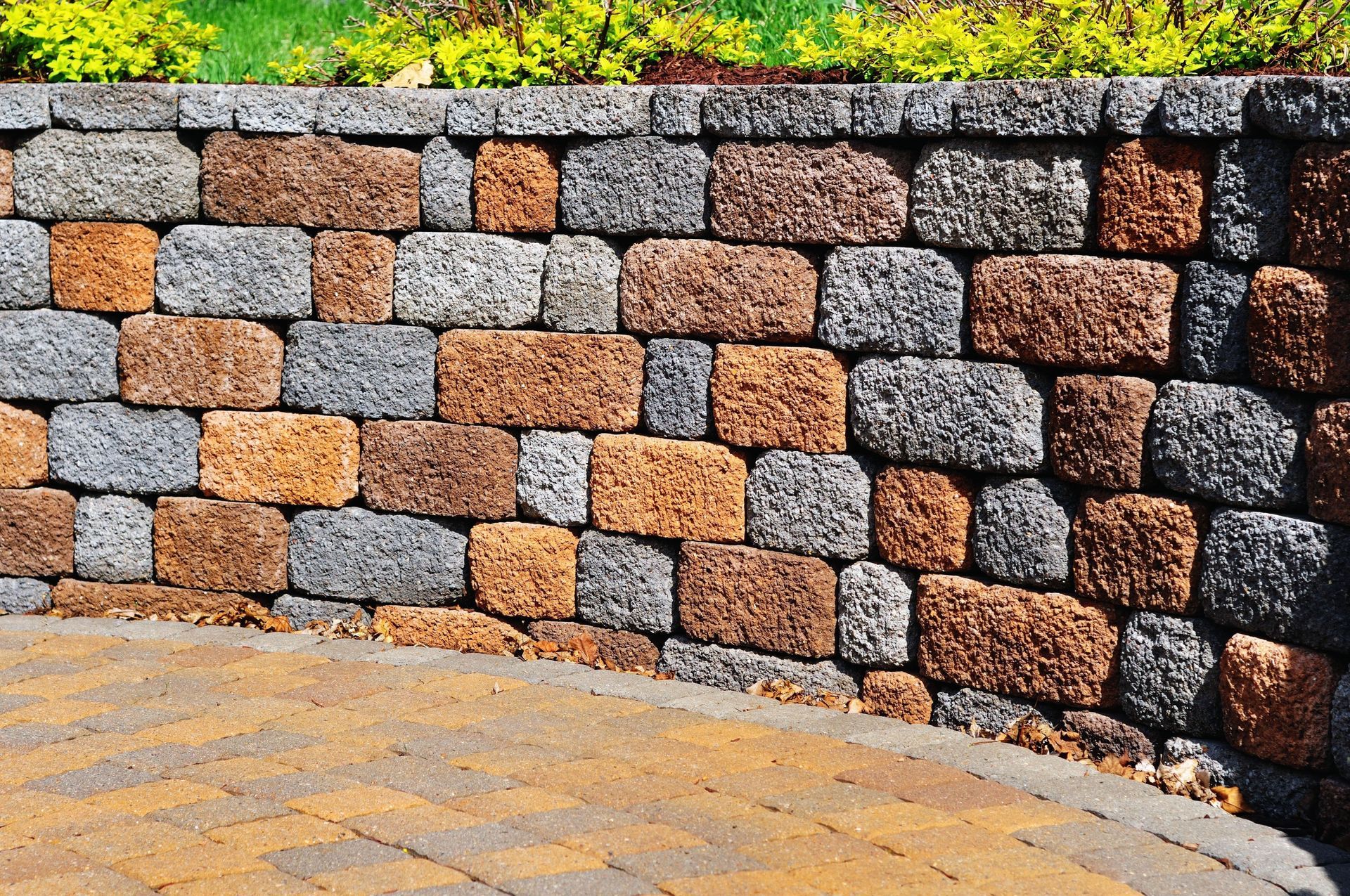
Material choice is inherently linked to load capacity, as different materials exhibit varying compressive strengths and resilience. For example, concrete and brick can support greater loads compared to timber, making them preferable choices for walls expected to bear significant pressure. Engineers and landscape designers must select a material best suited to the project's specifications while considering cost, aesthetics, and functional longevity. Detailed analysis of site conditions helps dictate the ideal combination of height and load considerations, allowing for both practical and visually engaging solutions. With proper design, retaining walls can resist external forces while contributing to landscape beauty.
Implementing support features like tiered walls or reinforcements can further counteract the potential for wall failure. Tiered walls divide the weight into more manageable sections, preventing overwhelming stress on a single structure.
A long-lasting retaining wall relies on thoughtful planning, proper material selection, and effective design strategies. Whether using concrete blocks, natural stone, timber, brick, or gabion systems, ensuring adequate drainage, accurate load calculations, and expert craftsmanship is key to long-term structural integrity. By investing in quality construction from the start, property owners can protect their landscape from erosion, expand usable space, and enjoy an attractive, durable feature that enhances property value for years to come. Reach out to D&L Lawn Sprinklers LLC today for more.